“I say let the world go to hell, but I should always have my tea.”

— Fyodor Dostoevsky

Daily Inspiration @rainbowquotes
RainbowQuotes Logo

“I say let the world go to hell, but I should always have my tea.”

(November 11 , 1821 -- February 9 , 1881)
Origin: Russian
Known for: Novelist
Meaning
This humorous but dark remark expresses a radical form of individualism and a retreat into personal comfort as a defense against a chaotic world. It points to a psychological truth about our desire for stability and small rituals when we feel powerless to change large-scale global events. In a modern context, this quote is often shared as a "relatable" expression of self-care and the need for boundaries in an era of constant news cycles and social pressure. Digital audiences find this funny but also insightful about the human tendency to prioritize immediate personal needs. Dostoevsky’s "Underground Man" used this line to highlight the irrational and often selfish nature of the individual spirit. Recognize your need for personal peace, but also be aware of the danger of becoming indifferent to the needs of the world around you.

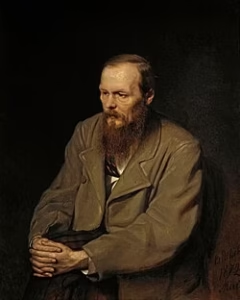
Fyodor Dostoevsky
Author Spotlight

Fyodor Dostoevsky

Fyodor Dostoevsky was a Russian novelist. Their most powerful quotes on life, success and human nature are collected here for daily inspiration and reflection.

Keep exploring

More Quotes on These Topics

From the same voice

More From This Author

Understanding the quote

Frequently Asked Questions

Frequently asked

This quote is attributed to Fyodor Dostoevsky. Fyodor Dostoevsky was a Russian novelist. Their most powerful quotes on life, success and human nature are collected here for daily inspiration and reflection.

This humorous but dark remark expresses a radical form of individualism and a retreat into personal comfort as a defense against a chaotic world. It points to a psychological truth about our desire for stability and small rituals when we feel powerless to change large-scale global events. In a modern context, this quote is often shared as a "relatable" expression…

The wording and attribution are documented at en.wikiquote.org. Use the original source linked on this page to verify the exact phrasing and context.

Scroll to Top