“Boredom: the desire for desires.”

— Leo Tolstoy

Daily Inspiration @rainbowquotes
RainbowQuotes Logo

“Boredom: the desire for desires.”

(September 9 , 1828 -- November 20 , 1910)
Origin: Russian
Known for: Writer
Meaning
This pithy definition by Tolstoy characterizes boredom not as a lack of activity, but as a deeper spiritual and psychological state where one lacks the focus or purpose to want anything meaningful. It points toward the internal void that occurs when we are disconnected from our passions or when our environment fails to provide the stimulation our inner spirit craves. In our modern era of constant digital distraction and instant gratification, this insight highlights the danger of passive consumption and the importance of cultivating an active, self-driven inner life. People relate to this today because it speaks to the 'paradox of choice' and the restless search for novelty that often leaves us feeling empty despite having endless options. Tolstoy’s own life was marked by periods of intense creative output followed by deep existential crises, making him an expert on the struggle to maintain a sense of vital interest in the world. The practical takeaway is to move from being a passive observer to an active participant in life by setting challenging goals and engaging in disciplined self-reflection. This mindset shift helps us recognize that the cure for boredom lies in the quality of our attention and the depth of our commitment to our own growth.

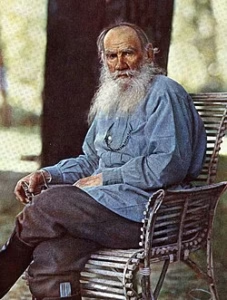
Leo Tolstoy
Author Spotlight

Leo Tolstoy

Leo Tolstoy was a Russian writer and entrepreneur. Their most powerful quotes on life, success and human nature are collected here for daily inspiration and reflection.

Keep exploring

More Quotes on These Topics

From the same voice

More From This Author

Understanding the quote

Frequently Asked Questions

Frequently asked

This quote is attributed to Leo Tolstoy. Leo Tolstoy was a Russian writer and entrepreneur. Their most powerful quotes on life, success and human nature are collected here for daily inspiration and…

This pithy definition by Tolstoy characterizes boredom not as a lack of activity, but as a deeper spiritual and psychological state where one lacks the focus or purpose to want anything meaningful. It points toward the internal void that occurs when we are disconnected from our passions or when our environment fails to provide the stimulation our inner spirit craves.…

The wording and attribution are documented at en.wikiquote.org. Use the original source linked on this page to verify the exact phrasing and context.

Scroll to Top