“If there is no God, then I am God.”

— Fyodor Dostoevsky

Daily Inspiration @rainbowquotes
RainbowQuotes Logo

“If there is no God, then I am God.”

(November 11 , 1821 -- February 9 , 1881)
Origin: Russian
Known for: Novelist
Meaning
This radical statement explores the ultimate consequence of a world without a higher moral authority: that the individual human must then take on absolute responsibility and power. It points to a psychological insight about the burden of total freedom and the human desire for a sense of "god-like" control over one's own fate. In the modern context of radical individualism and self-branding, this quote highlights the potential (and the danger) of viewing oneself as the center of the universe. Philosophers and creative thinkers share this today to challenge their assumptions about morality and personal power. Dostoevsky used this line in *The Possessed* to show the psychological breakdown of characters who tried to live without any external limits. Recognize your own power to shape your life, but also consider the values and responsibilities that must guide that power if you are to live a truly successful life.
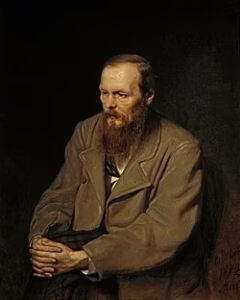
Fyodor Dostoevsky
Author Spotlight

Fyodor Dostoevsky

Fyodor Dostoevsky was a Russian novelist. Their most powerful quotes on life, success and human nature are collected here for daily inspiration and reflection.

Keep exploring

More Quotes on These Topics

From the same voice

More From This Author

Understanding the quote

Frequently Asked Questions

Frequently asked

This quote is attributed to Fyodor Dostoevsky. Fyodor Dostoevsky was a Russian novelist. Their most powerful quotes on life, success and human nature are collected here for daily inspiration and reflection.

This radical statement explores the ultimate consequence of a world without a higher moral authority: that the individual human must then take on absolute responsibility and power. It points to a psychological insight about the burden of total freedom and the human desire for a sense of "god-like" control over one's own fate. In the modern context of radical individualism…

The wording and attribution are documented at en.wikiquote.org. Use the original source linked on this page to verify the exact phrasing and context.

Scroll to Top